
Искусство обучения через природу
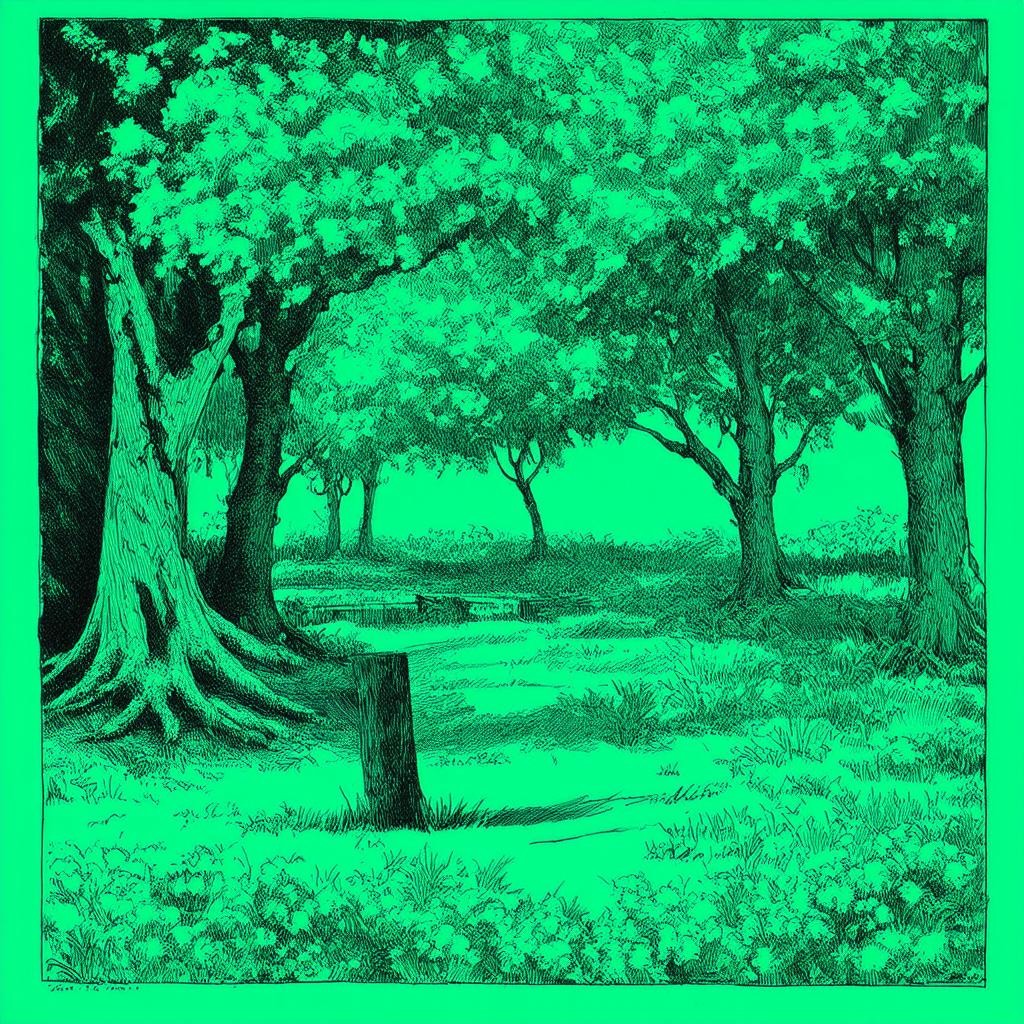
Когда уроки пахнут сосной и травой
Каждое утро в нашем центре начинается не со звонка — с тишины. Тишины, в которой слышно, как ветер перелистывает страницы учебников, а птицы подсказывают правильные ответы. Мы не просто учим детей — мы даём им дышать знаниями. И если вы когда-нибудь видели, как глаза ребёнка загораются, когда он впервые сам находит ответ в шелесте листьев, вы поймёте, о чём мы говорим.
История одного сентября: как природа стала учителем
Помню день, когда шестилетний Артём, обычно стеснительный и молчаливый, вдруг сказал: «А давайте построим дом для муравья? Он ведь тоже хочет жить красиво». Это случилось во время нашего проекта «Архитектура в природе». Мы вышли на поляну, сели в круг, и вдруг все — и дети, и взрослые — начали чувствовать, что математика и геометрия не в учебнике, а вокруг нас. Углы крыши, кривые тропинки, симметрия листа клёна. Артём, который раньше прятался за спиной мамы, теперь показывал другим, как правильно укладывать веточки. Его мама потом сказала: «Я не узнаю своего сына. Он улыбается, он говорит. Он здесь — другой. Настоящий». Это и есть наша главная победа.
Конкурс «Зелёные изобретатели»: слёзы радости и аплодисменты
В прошлом году мы провели конкурс творческих проектов, где дети должны были придумать, как природа может помочь людям в городе. Десятилетняя Алиса создала проект «Живые батарейки» — она предложила использовать мхи и лишайники для очистки воздуха прямо на подоконниках. Когда её объявили победителем, она заплакала. Не от обиды — от счастья. «Я думала, что мои идеи никому не нужны», — прошептала она, обнимая своего папу. Зал встал. Родители, учителя, гости — все хлопали. В тот момент мы поняли: природа не просто учит, она лечит. Лечит неуверенность, страх, одиночество.
Мероприятия, которые запоминаются сердцем
Каждое событие в нашем учреждении — это не сухая программа, а живой организм. Вот лишь несколько откликов, которые мы слышим после наших встреч:
- «Я впервые за долгое время почувствовала себя ребёнком» — мама второклассницы после мастер-класса «Рисование листьями».
- «Здесь даже тишина звучит» — папа первоклассника после осеннего похода «Слушаем лес».
- «Мой сын перестал бояться ошибок» — мама третьеклассника после проекта «Фотоохота на насекомых».
- «Я хочу сюда возвращаться снова и снова» — ученица после конкурса экологических сказок.
Проекты, где рождаются чудеса
Вот что мы делаем вместе с детьми и родителями, чтобы каждый мог прикоснуться к искусству обучения через природу:
- «Лесная мастерская» — каждую субботу мы выходим в ближайший парк, чтобы строить кормушки, учиться распознавать следы зверей и писать стихи на коре деревьев (без вреда для них).
- «Солнечные эксперименты» — проект для подростков, где физика и химия становятся волшебством: дети запускают солнечные батареи, создают природные индикаторы и ставят опыты с росой.
- «Фестиваль тишины» — раз в сезон мы отключаем все гаджеты, садимся в круг на траве и просто… слушаем. Птиц, ветер, своё дыхание. Это кажется простым, но многие дети потом говорят, что впервые слышали, как бьётся сердце.
Что чувствуют наши ученики? Спросите у них сами
Мы не пишем сценарии для своих мероприятий — мы пишем впечатления. Вот что говорят те, кто уже прошёл через наши проекты:
- «Я научился видеть красоту в каждой травинке. Раньше я думал, что природа — это просто фон, а теперь понимаю: это мой главный учитель».
- «Здесь я перестала бояться быть смешной. Когда мы ставили опыты с грядками, я испачкалась в земле, но никто не смеялся — все помогали».
- «Мне кажется, что после этих занятий я стал добрее. Когда я вижу, как муравей тащит ветку, я думаю: и у меня есть своя важная работа».
Присоединяйтесь: природа ждёт вас
2026 год стал для нас годом новых открытий. Мы расширили программу, добавили ночные походы с палатками и проект «Сказки под звёздами». Но главное осталось неизменным: мы хотим, чтобы каждый ребёнок и взрослый ушёл от нас с чувством, что мир — это живое, дышащее чудо. И это чудо можно учить, и у него можно учиться. Приходите. Вдохните глубоко. Почувствуйте, как знания становятся лёгкими, как воздух. И помните: лучший урок — тот, который звучит в сердце.
Добавлено: 12.05.2026